Time Keeping Software: A Guide for Teams and Freelancers
Discover how time keeping software improves billing accuracy, cost tracking, and team performance with real-time reports and integrations.

The fundamental goal of time keeping software is straightforward: recording work hours. However, the genuine value lies in deeper applications. For freelancers, tracking represents understanding effort versus compensation. For teams, it delivers transparency, accurate billing, and prevention of profit erosion.
Track time, and one tracks value.
Contemporary platforms like Symtime demonstrate how comprehensive time administration extends beyond simple logging — merging expense tracking, analysis, and ecosystem integration with broader project oversight.
Key Features to Look For
Essential capabilities consistently prove valuable across diverse user types:
- Project-based time entries tied to specific clients or deliverables
- Automatic timers reducing manual input errors
- Manual entry flexibility for non-standard work
- Employee activity oversight
- Cost tracking with rate management
- Integrations connecting calendars, billing, and project systems
- Analytics transforming raw data into strategic insights
For Freelancers: Putting Every Billed Minute in Its Place
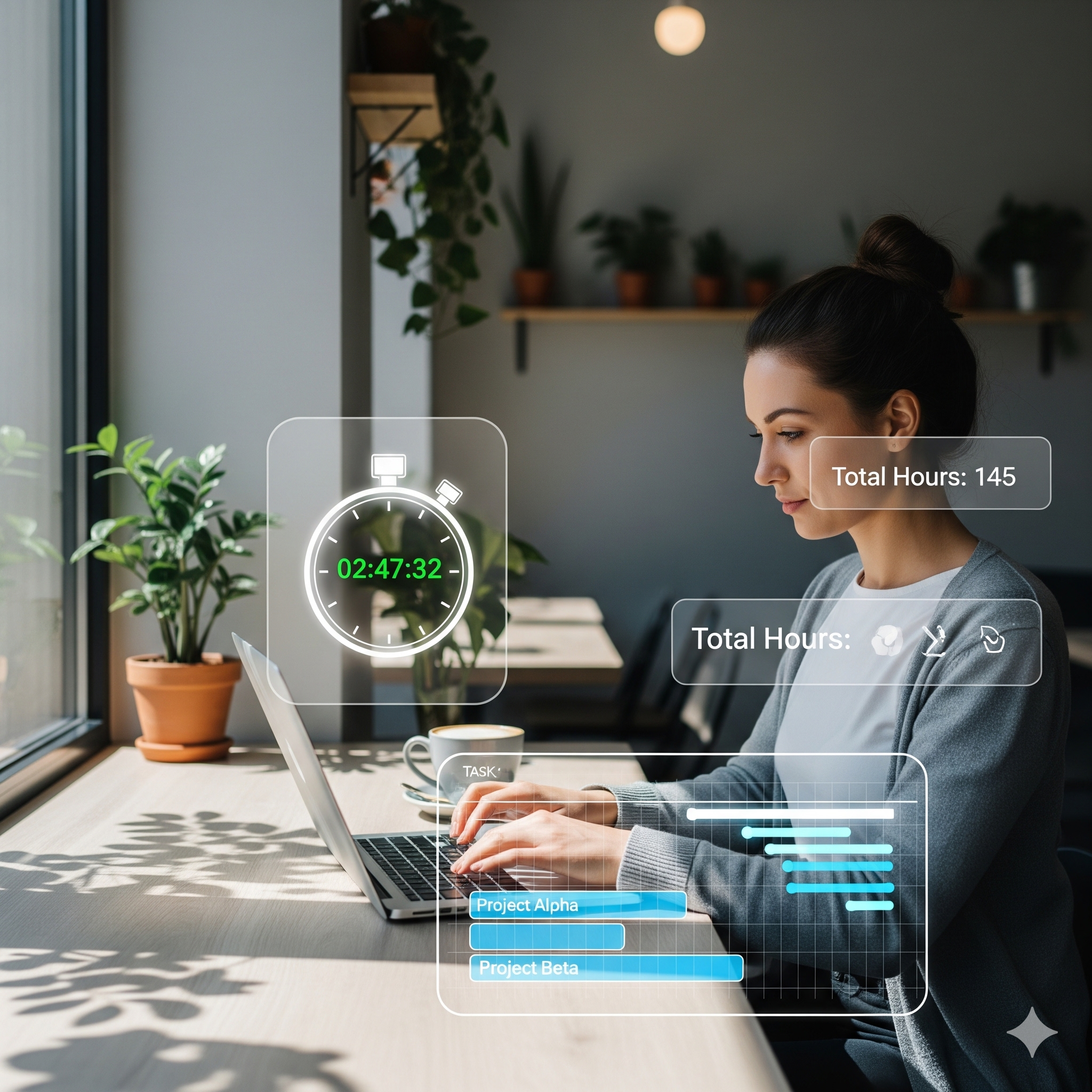
Independent professionals managing multiple concurrent engagements benefit significantly from precision logging. Software eliminates manual errors while helping practitioners evaluate their work patterns across extended periods — identifying high-value services, time-consuming administrative tasks, and profitability dynamics.
Research from Penn State University indicates digital platforms boost productivity while potentially affecting stress levels, contingent on feedback mechanisms and success measurement approaches.
For Teams: Seeing the Bigger Picture
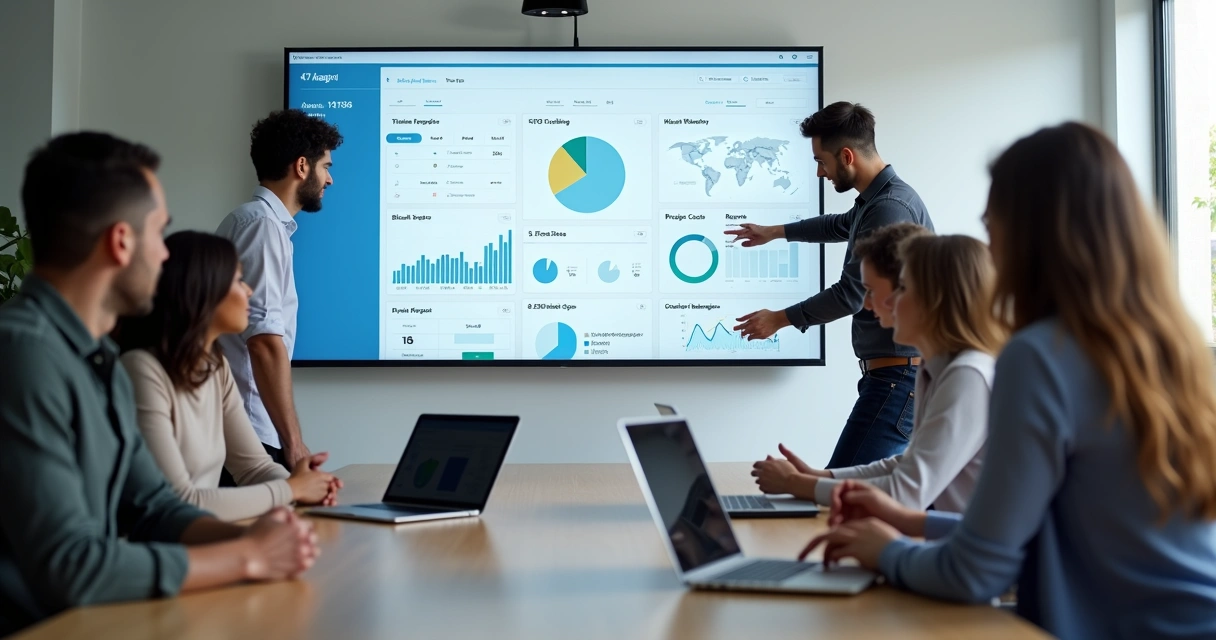
Team-based operations face distinct challenges: distributed work, deadline pressure, cost escalation, and visibility gaps. Tracked data exposes inefficiencies. Contemporary systems provide real-time dashboards, automated notifications, and comparative project summaries enabling managers to identify timeline slippage, budget overruns, and focus drift.
Billing Accuracy and Expense Control
Service-oriented industries — consulting, design, development — operate on narrow margins vulnerable to billing inaccuracy or concealed expenses. Digital platforms address this through:
- Automated entries eliminating forgotten tasks
- Exportable documentation supporting defensible invoicing
- Live budget oversight preventing overspending
- Real-time visibility enabling proactive problem detection
Billing transparency builds trust and lasting business.
The Power of Integration With Other Tools
Comprehensive time platforms create value when they communicate across organizational technology stacks. Calendar synchronization, billing application connections, project management linkages, and analytics dashboards eliminate duplicate entry, oversight, and data inconsistency.
Different Time Keeping Methods Compared
Manual Timesheets: Simple but error-prone; suitable for rough records rather than precision billing.
Start-Stop Timers: Deliver accuracy through real-time documentation; risk involves forgotten activation/deactivation.
Automatic/Background Tracking: Reveals hidden patterns but raises privacy considerations requiring careful implementation.
Hybrid Approaches: Combining options — such as timer start/stop with post-task manual refinement — accommodates varied professional workflows.
Choosing the Right Solution for Your Organization
Selection criteria include:
- Organizational size and user limitations
- Industry-specific requirements
- Compliance and regulatory obligations
- User adoption probability through interface simplicity
- Budget management and financial tracking capabilities
Symtime’s structure — offering complimentary service for up to five users with paid scaling — enables risk-minimal evaluation and growth-based expansion.
Test before you invest — most software offers trial access or free tiers.
Time Tracking vs Traditional Timesheets: Not the Same Thing
Conventional timesheets represent static records completed periodically, containing minimal contextual information. Digital time tracking captures comprehensive details — project assignment, granular task classification, rate application, and sometimes outcome metrics. This distinction means data remains immediately accessible for decision-making rather than becoming available weeks later.
Analytics and Real-Time Reporting: The Engine for Progress
Raw data gains strategic value through interpretation into actionable intelligence. When professionals observe how their documented work influences budgeting, project health metrics, and performance indicators, engagement with accuracy improves.
Real-time analytics enable managers to respond proactively rather than reactively.
Balancing Privacy, Transparency, and Trust
Data collection involves inherent tensions between performance oversight and personal privacy. Contemporary ethical standards demand informed consent, explicit purpose communication, and transparent documentation regarding data collection scope and application.
Transparency in tracking earns trust; trust brings better results.
Bringing Time Keeping Into Daily Workflow
Effective implementation requires adaptability across varied professional patterns. Superior software accommodates weekly-based hour documentation alongside minute-granular tracking across numerous concurrent projects:
- Customizable notifications maintaining focus without intrusive oversight
- Mobile accessibility ensuring no task omission
- Permission structures limiting sensitive data visibility appropriately
- Templated frameworks saving effort for recurring projects/clients
Conclusion: Move From Tracking Time to Making Time Count
Professionals implementing digital time administration gain capabilities exceeding simple record-keeping. Real-time visibility into work patterns, financial performance, and operational challenges becomes available for immediate application.
Software alone doesn’t build success. But the right data, at the right time, can change everything.
Symtime’s emphasis on usability, expense management, and transparent reporting accommodates users from emerging ventures to established agencies pursuing practical approaches to capturing, analyzing, and implementing time-based insights.
Frequently Asked Questions
What is time keeping software? Digital instruments enabling individuals and teams to document, supervise, and interpret time expenditure across assignments, projects, or client services, frequently incorporating expense computation and comprehensive reporting capabilities.
How does time tracking software work? Platforms provide digital timers (both user-initiated and automatic), manual documentation interfaces, and connections to complementary tools. Users activate timers upon task initiation or record hours retroactively.
Is time management software worth it? For numerous freelancers and team-based operations, platforms generate financial returns rapidly through prevented hour loss, eliminated underbilling scenarios, and productivity inefficiency visibility.
What are the top time tracking tools? Multiple platforms deliver excellent solutions with distinct advantages. Symtime provides flexible project-based documentation, integrated expense investigation, complimentary small-team arrangements, and substantial reporting functionality.
How much does time keeping software cost? Pricing structures vary considerably. Symtime provides complimentary service for five-user deployments with premium pricing for expansion, making it ideal for teams starting small.
Ready to get started?